
















|
|
 |
| |
 |
|
| |
|
|
|
|
| |
Invertebrates are animals lacking a backbone, and the group includes most of the animal species in the world.
This main group is subdivided into other subgroups as mentioned below. Click on the respective icone to learn more.
| |
| |
 |
|
| |
ARTHROPODS
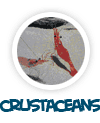
This is a highly diverse group that includes animals from all ecological environments such as insects (beetles, butterflies, bees, ants, flies),
crustaceans (crabs, shrimps, crayfish, barnacles, Hermit crab) and arachnids (spiders, scorpions, mites, ticks).
Click on the pictures to learn more about each of them.
|
|
| |
|
|
| |
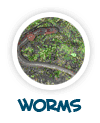
WORMS or ANNELIDS
Annelids are segmented worms with a long slender body. Each segment is split into one or more rings and worms have the particularity of regenerating body segments that were amputated;
they use this particularity also for reproduction purposes. Earthworms, leeches, lugworms are annelids.
Click on the picture to learn more about the worms or annelids.
|
|
| |
|
|
| |
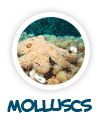
MOLLUSCS
Molluscs have a soft unsegmented body and often an external shell. This group has highly diverse animals, not only in size and in anatomical structure, but also in behaviour and in habitat;
it comprises the largest group of all the named marine organisms, but numerous molluscs also live in freshwater and terrestrial habitats.
Molluscs comprise three classes: gastropods (such as the whelk), bivalves
(such as mussels, oysters), and cephalopods (such as octopus, squids, cuttlefish).
Click on the picture to learn more about the molluscs.
|
|
| |
|
|
| |
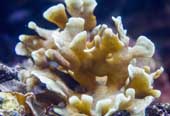
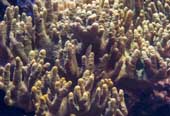
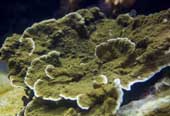
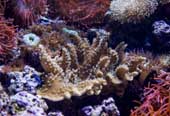
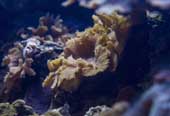
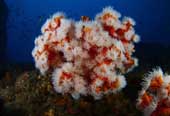
CNIDARIA
They are quite simple species of animals found exclusively in aquatic environments, predominantly in the sea, but also in shallow waters.
This group includes animals such as jellyfish, sea anemones, Portuguese man o' war and corals.
Under water fauna you can learn a little more about corals.
|
|
| |
|
|
| |
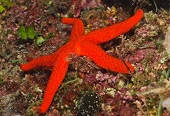
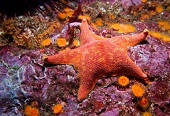
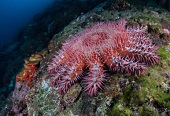
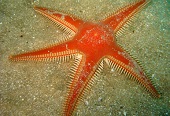
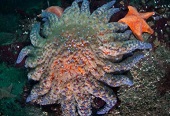
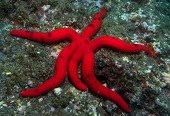
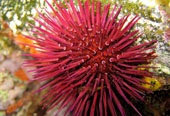
ECHINODERMS
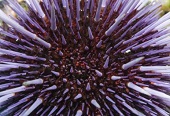
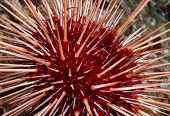
They are a group of marine animals that include sea stars, brittle stars, sea urchins, sea cucumbers, crinoids, and others.
Echinoderms are found at every ocean depth.
|
|
| |
#Invertebrates #Arthropods #Worms #Crustraceans #Molluscs #Cnidaria #Echinoderms #Barry4kids

|
|
| |
 |
|
|
|





Dulce Rodrigues |